After last year’s Camino de Invierno for Yes to Life, I said “never again”.
The gains far outweighed any hardship. We reached our fundraising target, I moved through some of my own limiting beliefs and I experienced the extraordinary power of an individual pilgrimage as part of a wider community.
But my knee injury lasted longer than I had hoped, and asking people to support us again felt difficult.
So why am I walking another Camino?
Because of what has happened since I came home.
In most weeks since last year’s Camino, I have met people through our Wigwam community who are angry, lost, bewildered and exhausted.
Many are in tears, wishing they had found whole-person support and integrative cancer care sooner. Some placed their trust in conventional medicine and understandably believed their treatment would be curative, only to find themselves facing a recurrence. Some have now been told there is no more treatment available. Some are moving forward after initial treatment and feeling very different in themselves. Others just want to understand their choices and possibilities. What people expected their cancer experience to be can feel very different from the lived reality.
They are not coming to us because they necessarily want to reject conventional medicine or do something “alternative”. They are looking for more support around it.
They want to understand how they might support their physical, emotional and spiritual wellbeing. They want somewhere they can authentically share their thoughts, fears, intuition and curiosity. They want to be recognised as more than a diagnosis, a patient, a protocol, a set of results or a treatment pathway.
But I also see tears of frustration turn into relief when someone feels witnessed, realises that their questions do not make them difficult and understands that they are allowed to find their own way.
I feel increasingly passionate that people should not have to reach crisis, recurrence or the end of conventional treatment before discovering this kind of support.
Integrative cancer care should not be seen as a last resort. It brings together conventional medicine with lifestyle and complementary approaches, while recognising the whole person living through the experience.
This is not about criticising conventional medicine. Of course we place our trust in it. When I was diagnosed with breast cancer, despite having supported my health holistically since my teens, my first thought was, “I need to do as I’m told here.”
But treatment alone may not address the physical, emotional, practical, relational and existential experience of cancer. Whatever our diagnosis, prognosis or treatment pathway, we still need support for how to live.
That is why I am walking again.
Whole-person support can help restore a sense of agency when so much feels uncertain and beyond our control.
Being able to ask questions, explore choices and take steps to support our health can restore participation, possibility and self-trust.
But there is another side to this.
We live in a time of so much information and noise around cancer. The desire to actively support our wellbeing can gradually become anxious preoccupation.
I hear the same fears repeatedly:
I'm not doing enough.
I'm not doing it right.
I must be missing something.
I cant afford to do all of this.
I don't have the energy.
I've failed.
Food, supplements, exercise, sleep, meditation, relaxation and treatment research can all offer valuable support. But accumulated together, they can make health feel like a full-time job.
We can become so caught up in striving to thrive that the striving itself begins to drain the energy we need for living.
Agency matters, but agency is not the same as responsibility for the outcome.
No one can control every aspect of illness. Nobody should be made to feel that they caused their cancer, failed to heal properly or did not try hard enough.
The value of agency is not that it guarantees a particular destination. It is that it helps us participate in the journey and make choices that feel right for us now.
Cancer is deeply individual.
Each person has their own body, biology, diagnosis, values, circumstances, questions and way of approaching health.
It is not simply what we do. It is the person behind what we do.
Yet our individual experience takes place within a collective one. We share many of the same human emotions: shock, fear, anger, grief, hope, love and joy. We share the need to be seen, understood and accepted.
It can feel incredibly lonely to make choices that differ from those around us or to ask questions that others find uncomfortable.
Finding people who understand, without trying to persuade, correct or change us, can bring enormous relief.
This is what our Wigwam community offers. It is not a place where people are told which path to follow. It is a place where individual paths can be explored and supported within a compassionate community
As one member recently said: “created a safe and honest space where each of us could simply be ourselves without judgement.”
I believe genuine belonging allows for both: connection without pressure and individuality without isolation.
This is where the parallels with this year’s Camino become particularly resonant.
Last year I walked my own pilgrimage within a wider community of pilgrims, including colleagues and strangers. This year, more people are joining our fundraising effort through Yes to Life’s Global Camino.
We will be walking together, sharing a purpose without necessarily sharing the same pace or experience.
I’m looking forward to more connection, encouragement and laughter, alongside quieter periods when each of us settles into our own rhythm and thoughts. We will no doubt walk side by side at times, separate and then find each another again.
That feels very close to the Wigwam ethos.
We can accompany one another without directing one another. We can accept support without surrendering our individuality. We can walk our own path without having to walk it alone
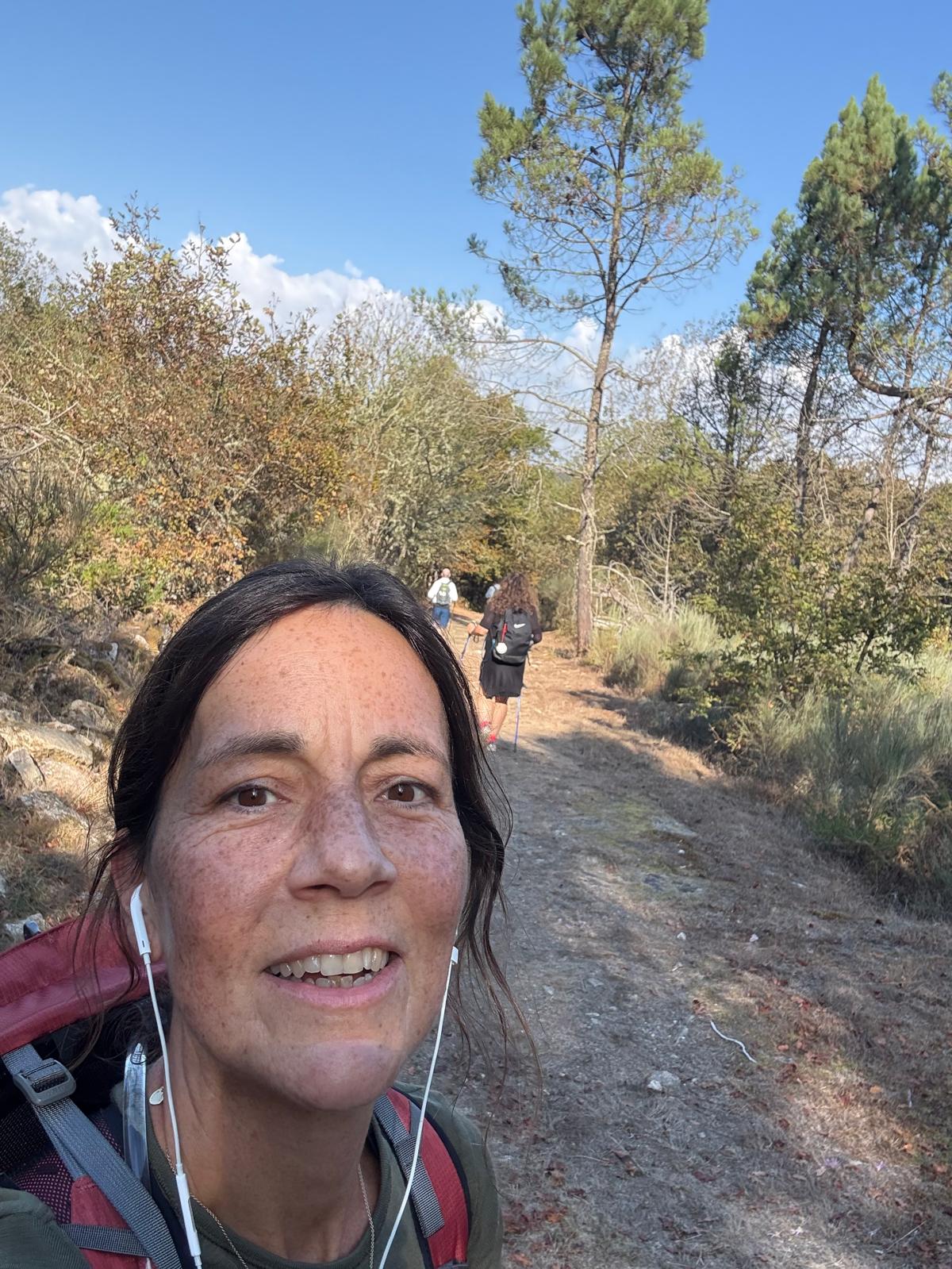
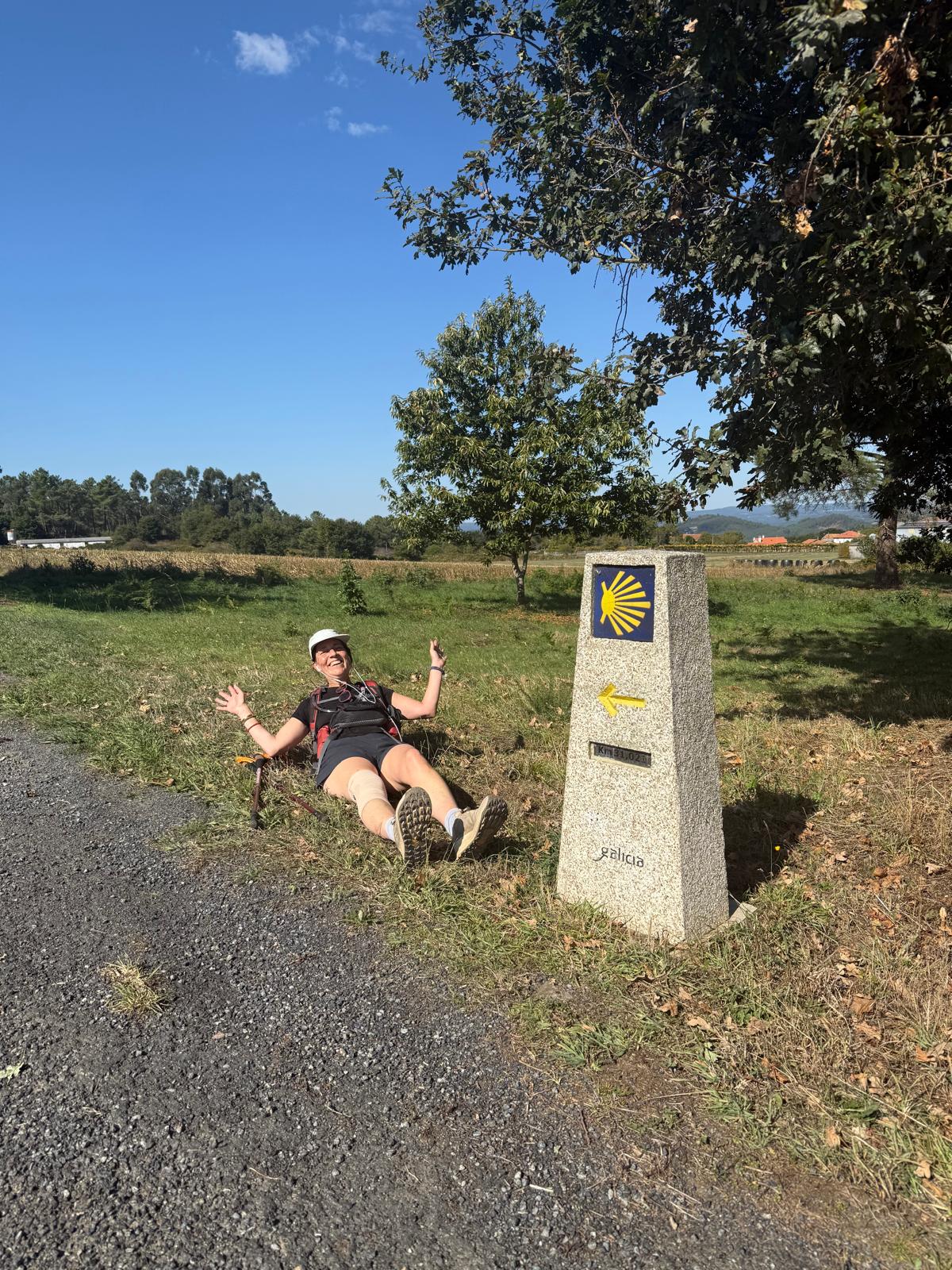
My preparation feels different this year too.
Before last year’s Camino, I researched, planned and prepared for almost everything I thought might happen. Much of that preparation supported me, but it also became all-consuming. I returned without a blister, while the challenge I had not anticipated was an injured knee.
This year I am preparing with a lighter touch.
I am walking, strengthening, stretching and continuing the daily habits that have supported my physical, mental, emotional and spiritual health since breast cancer over eight years ago.
But I am also holding onto the outcome more lightly.
Preparation can influence our experience but it can't guarantee it.
Perhaps this is another form of pilgrimage practice:
I am walking for:
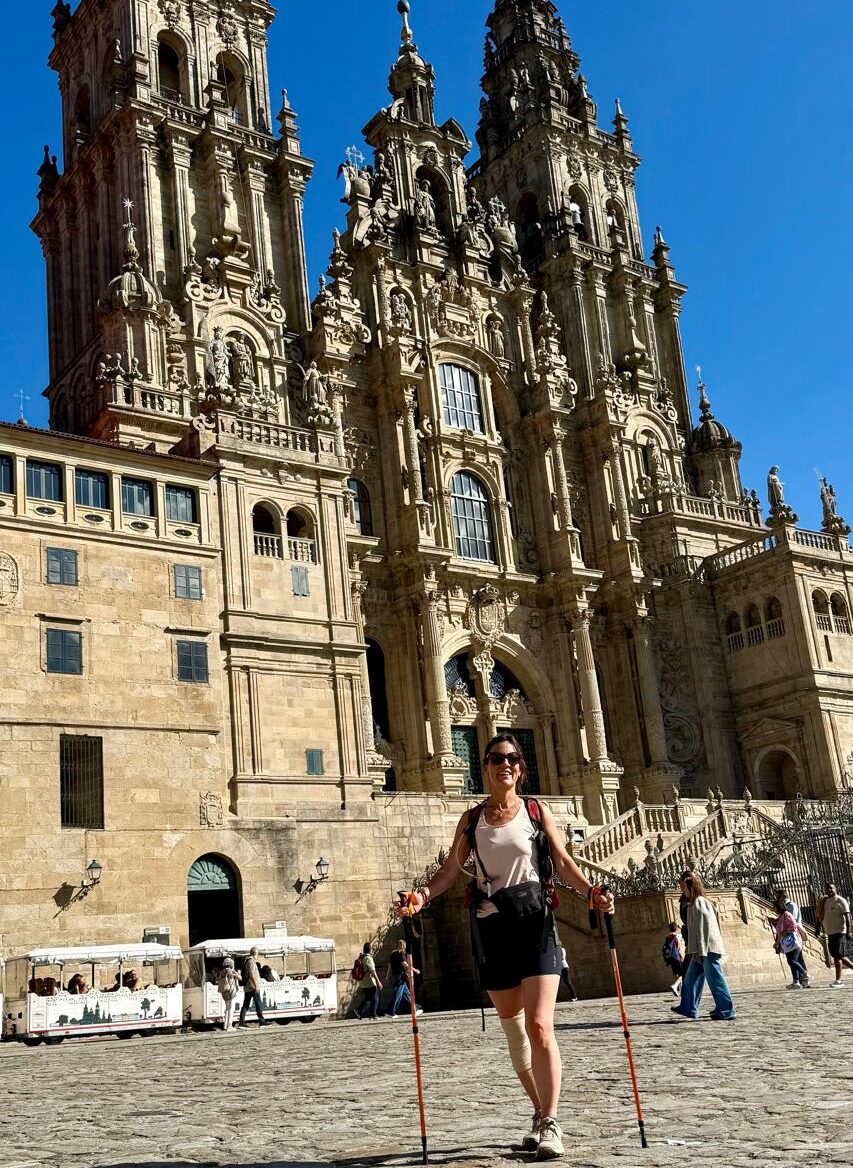
Small charities such as Yes to Life are providing forms of support that people tell us they desperately need, but this work cannot continue without funding.
Last year, asking for donations felt harder than preparing to walk.
This year, any discomfort I feel about asking is far less important than helping more people find this support sooner.
So I am walking again, and I am asking again.
If you feel able to sponsor my walk, thank you so much. If you can share this with someone else, thank you too.
Every donation helps Yes to Life create spaces where people affected by cancer can be met as whole people and supported to find their own way.