
Each day on the Camino de Santiago brings its own rhythm, character, and small challenges. This outline is here to guide you gently through the journey, helping you know what lies ahead while still leaving space for your own experience to unfold.
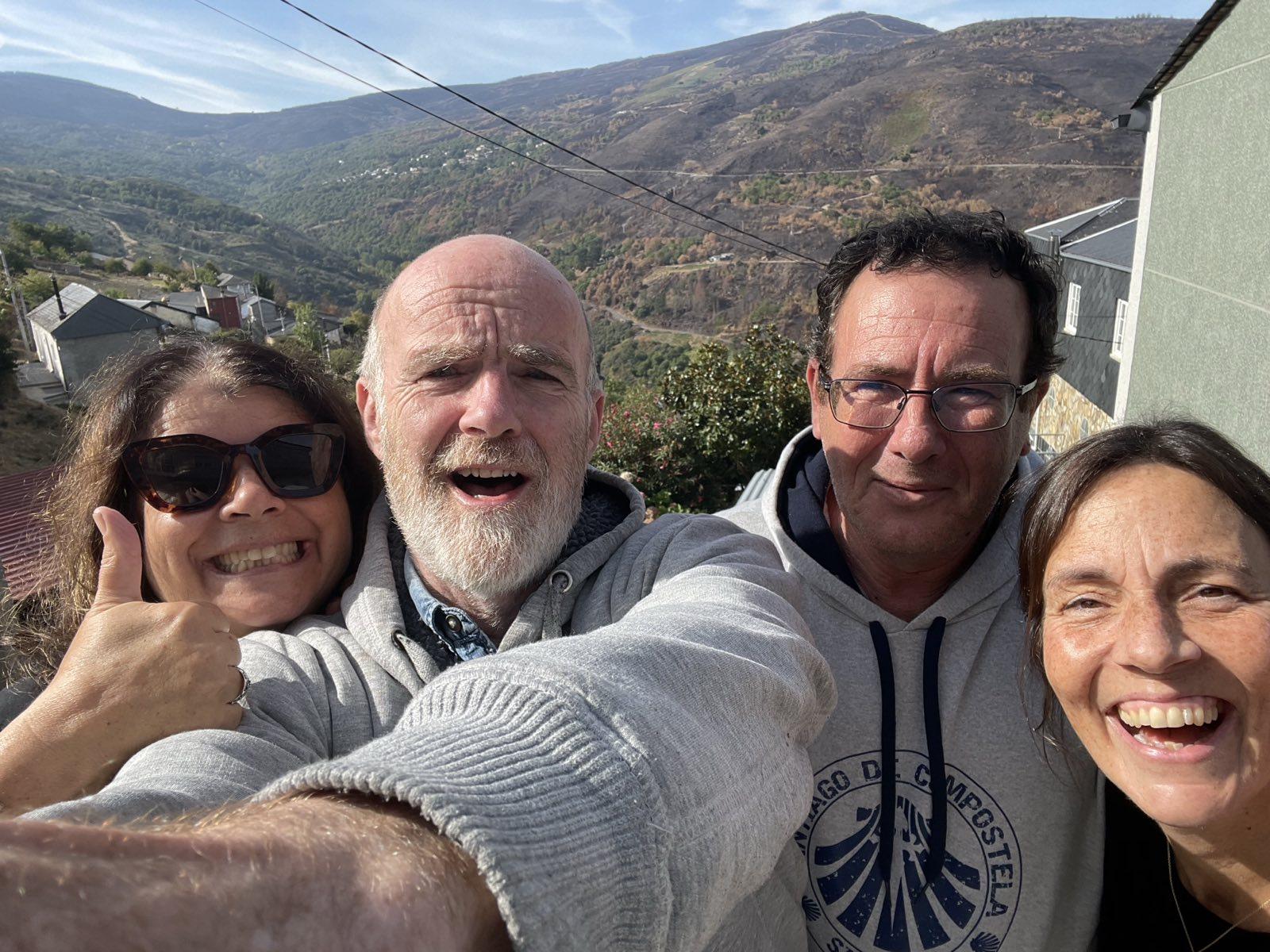
Day 1: Vigo → Redondela - A gentle beginning
Your journey begins in Vigo, a lively coastal city. The first part of the walk eases you into the Camino, though it may feel more demanding than expected simply because it’s your first day.
Leaving the city, you’ll gradually move through urban streets into quieter outskirts. There are some early climbs, which can feel noticeable as your body adjusts to carrying your backpack and finding its rhythm.
This is a day to go gently. There is no need to rush. Focus on settling into your pace, noticing how your body feels, and getting comfortable with the simple act of walking.
As you approach Redondela, the surroundings begin to soften, and you may start to feel that you have truly “arrived” on the Camino.
You’ll likely finish the day a little tired, perhaps slightly unsure—but also quietly proud. The journey has begun.
Day 2: Redondela → Pontevedra - Finding your rhythm
This is often the day when things begin to click.
The route becomes more scenic, with forest paths, shaded sections, and a stronger sense of being immersed in nature. You’ll likely notice the shift away from urban surroundings into something calmer and more reflective.
Your body may feel a little stiff at the start of the day, but as you warm up, walking often becomes easier. Many people find that their natural pace emerges here—not too fast, not too slow, just steady.
There are gentle climbs and descents, but nothing overwhelming. Take your time, pause when you need to, and allow yourself to enjoy the surroundings.
Arriving in Pontevedra, a beautiful historic town, often feels like a reward. You may begin to feel more confident, more settled, and more connected to the experience.
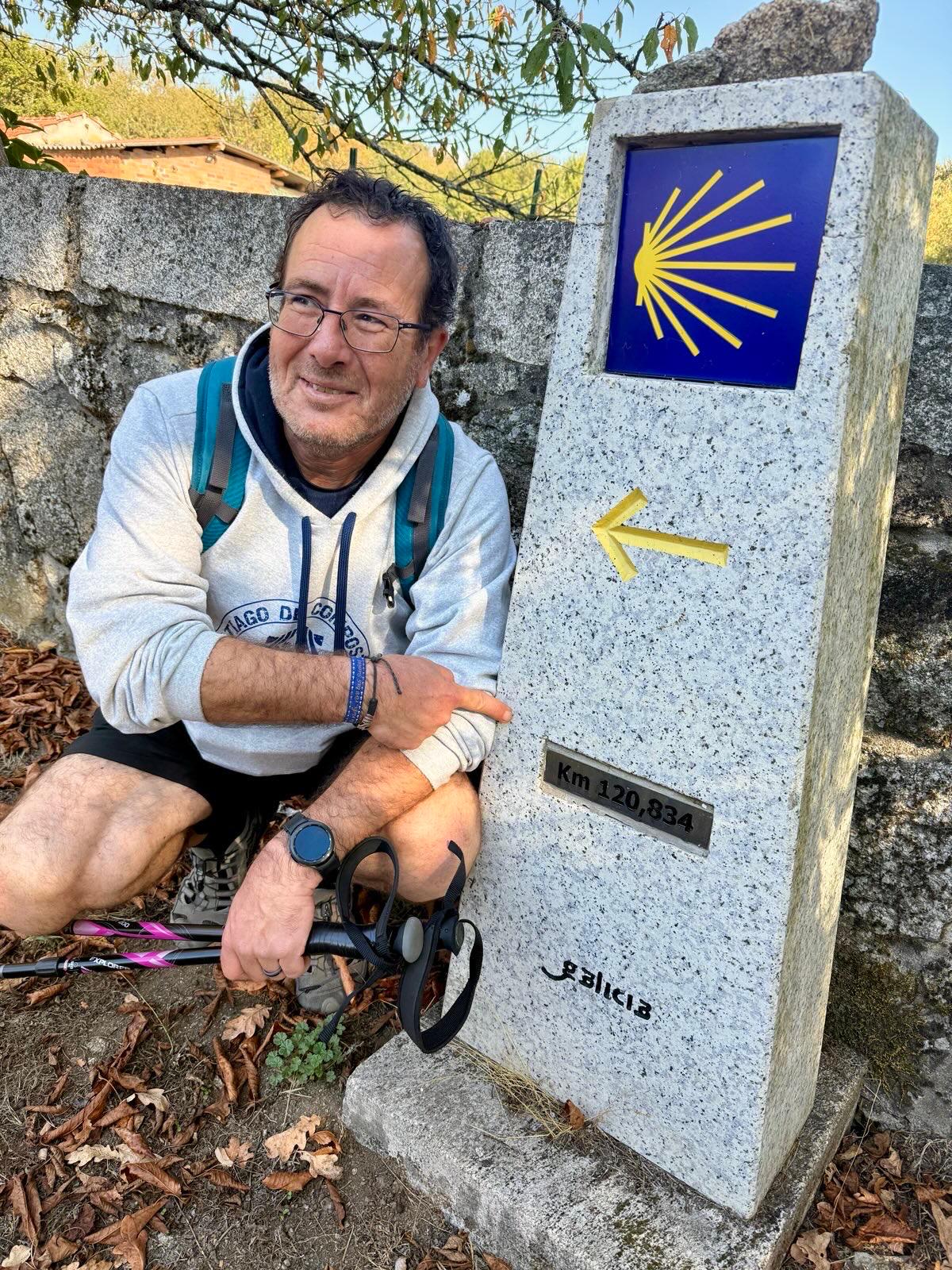
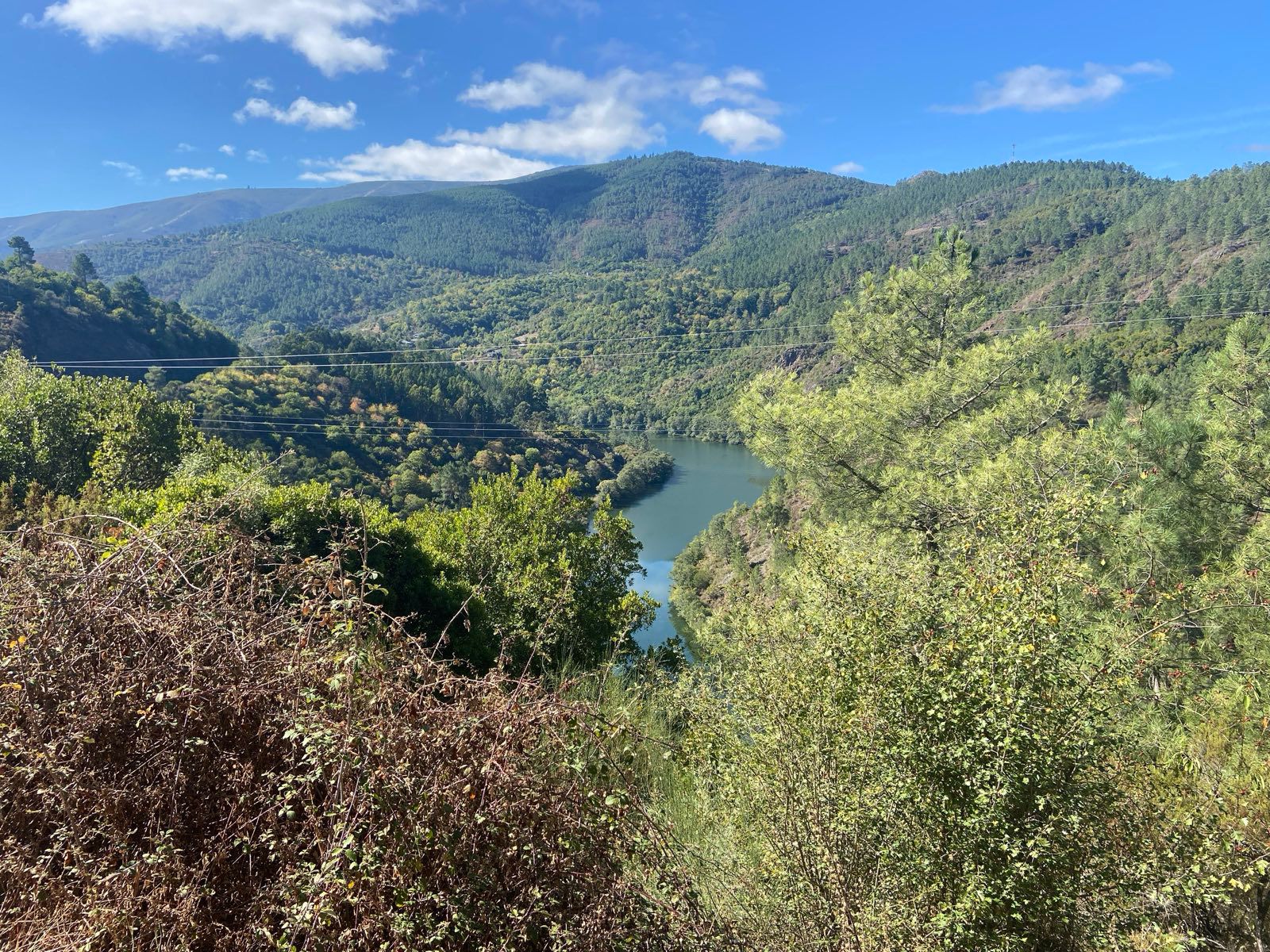
Day 3: Pontevedra → Caldas de Reis - Settling into the journey
By now, the Camino begins to feel familiar.
You know what it’s like to wake up and walk. You understand your pace. You are starting to trust your body more. This day often feels steady and manageable, even though it is one of the longer distances.
The route continues through rural Galicia, with small villages, woodland paths, and open stretches. There is a quiet beauty to this day—nothing dramatic, but deeply calming.
You may find your mind wandering, reflecting, or simply enjoying the rhythm of your footsteps. Conversations with other walkers may come naturally, or you may choose to walk in quiet.
Arriving in Caldas de Reis, known for its thermal waters, there is often a sense of having truly settled into the Camino. You are no longer just starting—you are in the middle of the journey.
Day 4: Caldas de Reis → Padrón - A day of quiet progress
This stage can feel both gentle and quietly demanding.
Your body may carry some fatigue from previous days, and this is where pacing becomes especially important. Walking steadily, rather than pushing too hard, will help you maintain energy throughout the day.
The landscape remains green and peaceful, with a mix of paths, small roads, and shaded sections. There is often a reflective quality to this day, as the awareness of nearing Santiago begins to grow.
Padrón holds historical significance on the Camino and often feels like a meaningful stopping point before the final stage.
You may find yourself thinking about the journey so far—what has been challenging, what has surprised you, and how far you’ve already come.
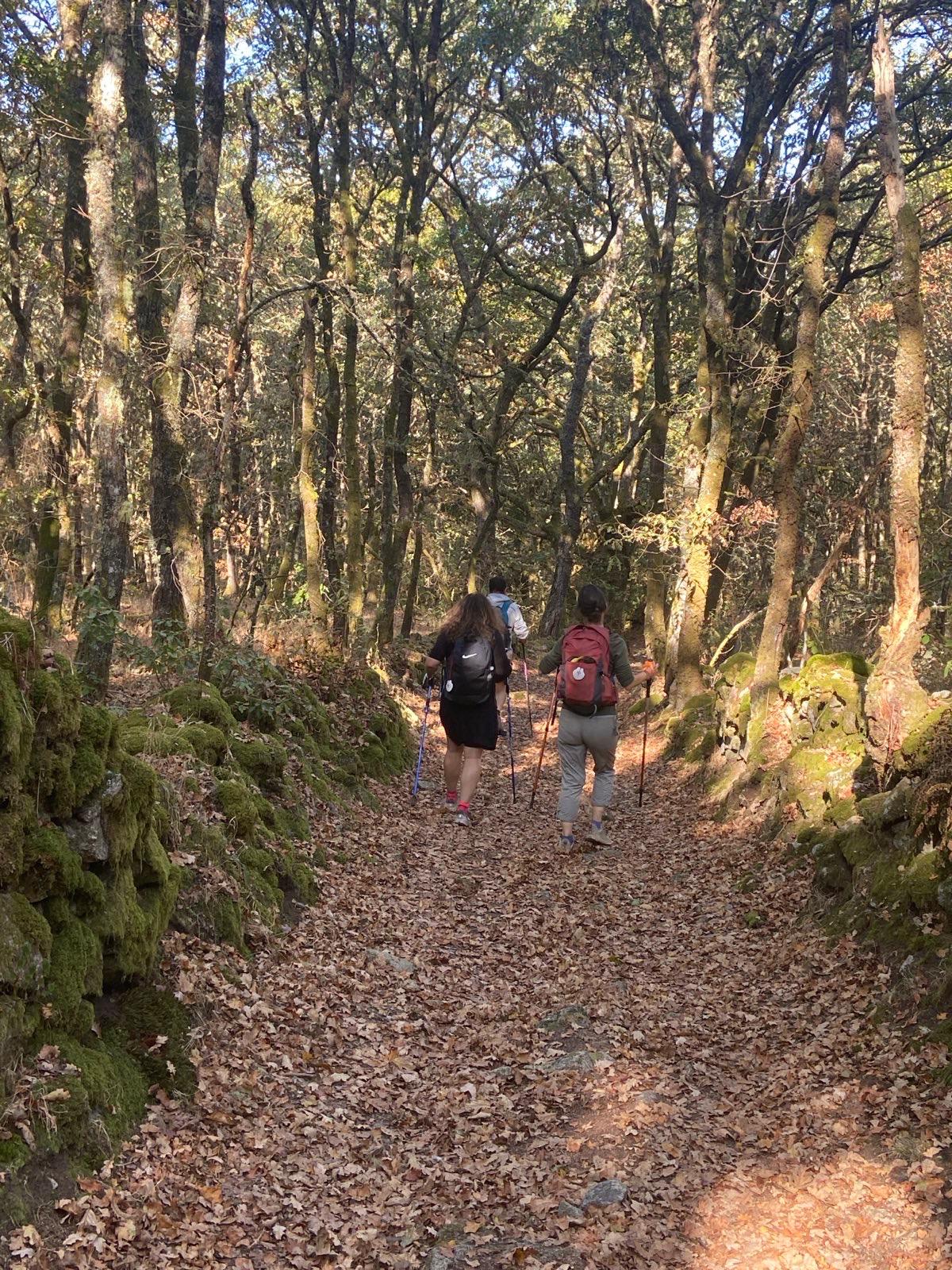
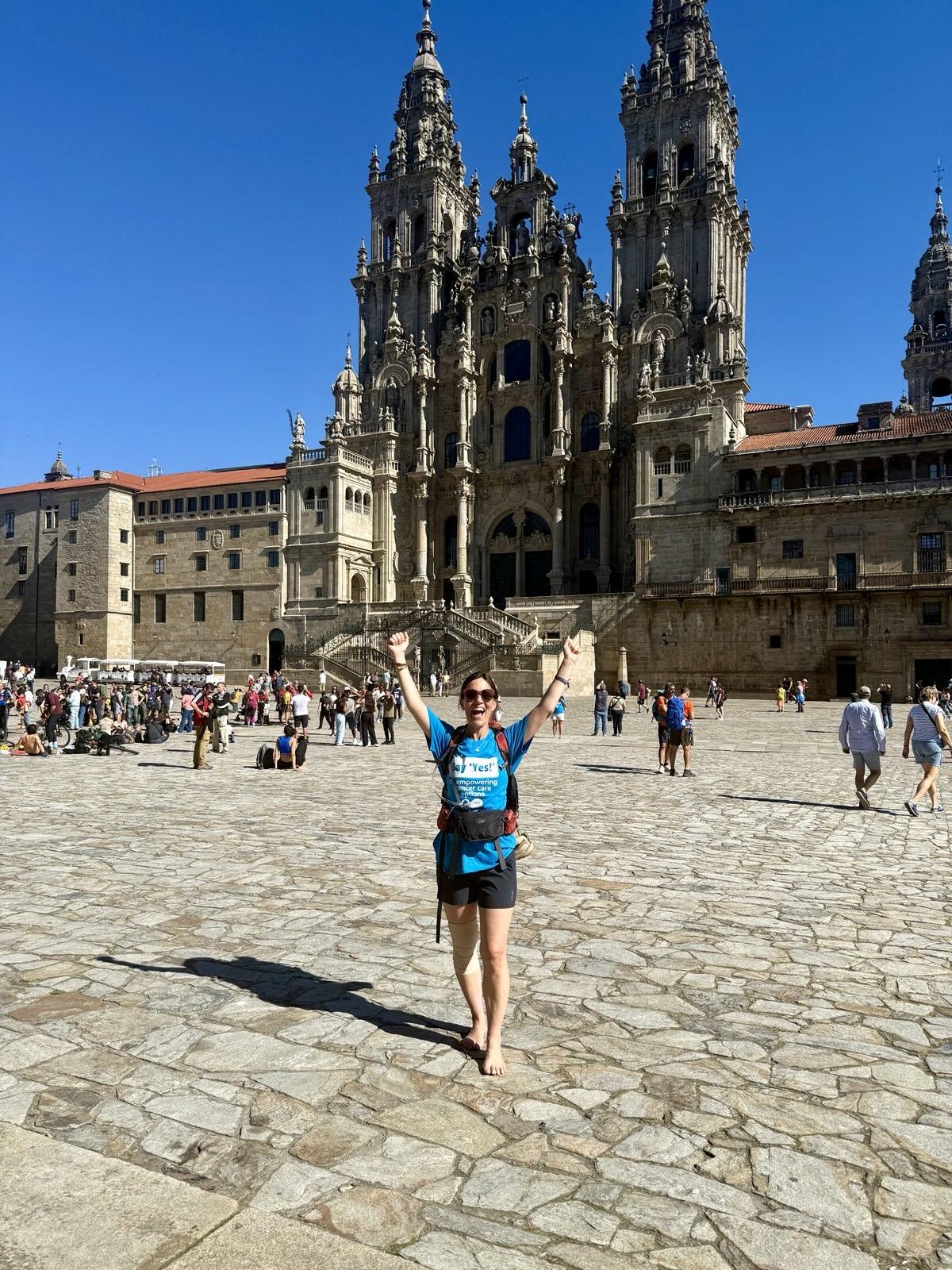
Day 5: Padrón → Santiago de Compostela - The final steps
The final day brings a mix of anticipation, emotion, and determination.
Setting out from Padrón, there is a quiet awareness that this is your last stage. The distance is manageable, but the meaning behind it can make it feel significant.
As you walk, the surroundings gradually become more populated. You begin to sense the approach to Santiago de Compostela, even before you see it. The final kilometres can feel different for everyone. Some walk in reflection, others in conversation, and some in quiet focus. However you experience it, allow yourself to take it in.
Arriving at the cathedral is often not a loud or dramatic moment, but a quiet one. A pause. A breath. A recognition of what you have done.
You have walked the Camino. And you have done so with purpose.